

Organizing your refrigerator properly keeps food fresh for a longer time and prevents leaks from ruining your shelves. Use specific temperature zones to decide where every item belongs in your kitchen. This system stops food waste and makes your weekly cleaning much faster.
How to organize your fridge by temperature
The temperature inside your refrigerator is not the same on every shelf. Cold air sinks, and the back of the unit is usually colder than the front. The door is the warmest part of the appliance because it is exposed to room air every time you open it. Understanding these zones is the first step in fridge organization that actually works for a busy household.
You should place items that do not need cooking on the upper shelves and items with the highest cooking temperatures on the bottom. This prevents cross-contamination and ensures that your snacks and leftovers stay at a steady, safe temperature. Follow this specific layout to maximize the life of your groceries:
- Upper shelves: Place leftovers, drinks, and ready-to-eat foods like deli meats here.
- Middle shelves: Use this space for eggs and dairy products like yogurt or sour cream.
- Bottom shelf: This is the coldest area and the best place for raw meat and fish.
- Crisper drawers: Keep your greens, vegetables, and fruits in these high-humidity bins.
- Fridge door: Store condiments, juices, and water here rather than milk or eggs.
The secret to keeping shelves clean
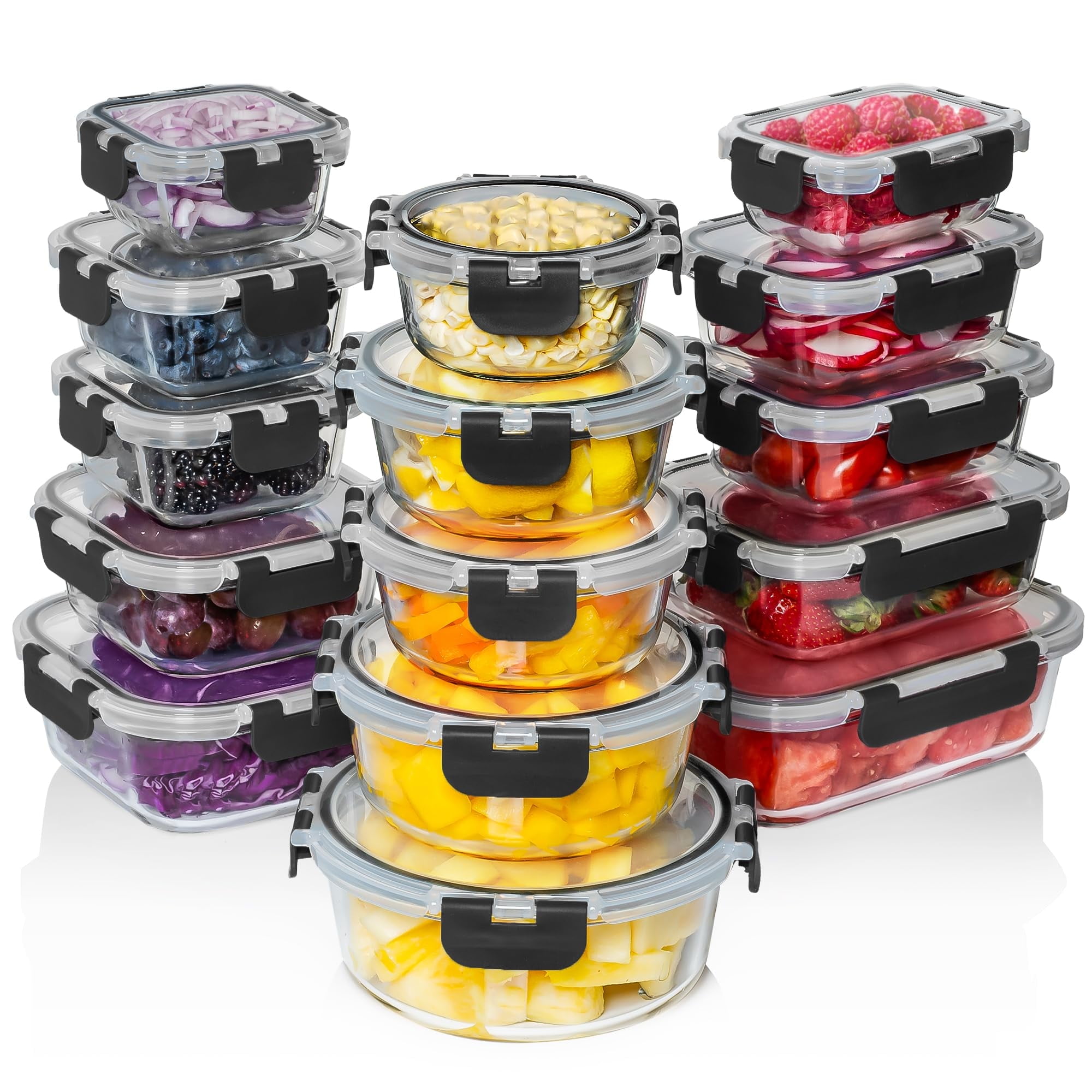
A clean fridge starts with how you prepare food before it even touches a shelf. Many people bring home jars or produce bags that are sticky or dusty from the store. Taking three minutes to wipe down the bottom of a jelly jar or a milk carton prevents those stubborn rings from forming on your glass shelves. You can also use clear plastic bins to catch small crumbs or drips that would otherwise spread across the entire fridge.
Using the right tools makes cleaning much easier when a spill does happen. Always place raw meat on a rimmed baking sheet or inside a dedicated plastic bin on the bottom shelf. This simple step ensures that if a package leaks, the liquid stays in the bin instead of dripping down onto your vegetables. It is much easier to wash one small bin in the sink than it is to take apart the entire refrigerator for a deep scrub.
What goes where and why it stays fresh
Milk is one of the most common items stored incorrectly in the refrigerator door. Because the door fluctuates in temperature every time you reach for a snack, milk stored there will spoil several days faster than milk stored in the back of the main compartment. Moving your milk carton to the middle or bottom shelf can save you money by reducing food waste. This logic applies to any fresh dairy product that needs a stable, cold environment.
- Keep berries in their original vented containers to allow air circulation.
- Store citrus fruits in the lower humidity drawer to prevent soft spots.
- Wrap leafy greens in a dry paper towel before putting them in a bag to soak up moisture.
- Stand asparagus or herbs upright in a small jar with an inch of water.
- Leave space between items so cold air can move freely around your food.
Proper professional organizing methods suggest that you should be able to see everything you own at a single glance. When you crowd your shelves too tightly, you lose track of what is in the back. This leads to jars of moldy sauce and wilted lettuce that go unnoticed for weeks. Keep your items in neat rows from front to back, grouped by category, so you always know what you need to buy at the store.
A simple five minute maintenance routine
The best way to keep your fridge organized is to do a quick check before you go grocery shopping. Take five minutes to pull out any containers that look suspicious or have passed their expiration date. Wipe down the empty spots on the shelves with a damp cloth before you put the new groceries away. This prevents old spills from hardening and becoming difficult to remove later on.
If you find that your fridge smells, keep an open box of baking soda on the middle shelf to absorb odors. Replace this box every three months to keep the air fresh. By following these zones and maintenance steps, you will spend less time scrubbing and more time enjoying fresh meals. A tidy fridge makes cooking feel less like a chore and more like a simple part of your daily routine.


0 Comments