

You can decluttering sentimental things without the guilt by separating the physical object from the memory it represents. Start by picking your least emotional category to build confidence before moving to harder items like family heirlooms. This process focuses on keeping what you love rather than focusing on what you are throwing away.
How to declutter sentimental things without the guilt
The biggest hurdle in decluttering sentimental items is the feeling that you are discarding a person or a period of your life. It is helpful to remember that an object is just a tool for a memory. If the object is hidden in a dark box where you never see it, it is not serving its purpose. Professional organizing often involves helping people see that their space is for the living, not for storage of the past. You deserve a home that feels light and manageable right now.
When you start this process, give yourself a strict time limit of sixty minutes per session. This prevents emotional fatigue which often leads to keeping everything or getting frustrated. Use the following steps to prepare your mind and your space for the work ahead:
- Gather three boxes and label them: Keep, Donate, and Relocate.
- Find a flat surface like a kitchen table to sort items one by one.
- Keep a glass of water and a box of tissues nearby for comfort.
- Put on some calm music without lyrics to stay focused on your task.
Create a memory boundary with a limit
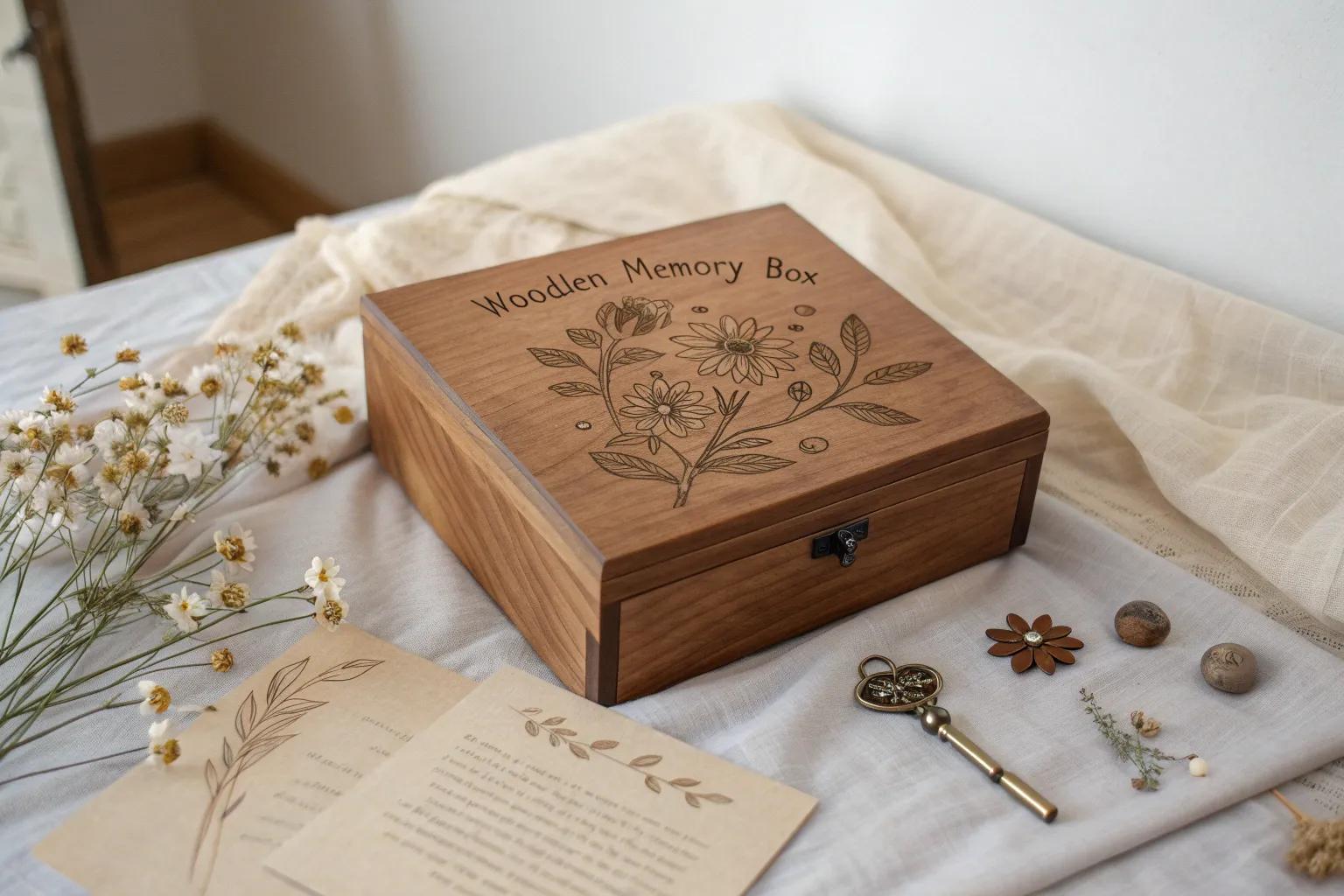
One of the most effective ways to stop the guilt is to set a physical boundary for what you keep. Instead of saying you will get rid of things, decide how much space you are willing to give to the past. This might be one plastic bin or one shelf in your closet. Once that space is full, you must remove one old item to add a new one. This shifts your mindset from loss to curation. You are becoming a curator of your own history.
Many people find that they have boxes of items from their school days or their children's early years. It is impossible to keep every drawing or every trophy without drowning in clutter. Follow this specific list to narrow down your collection to the best pieces:
- Pick the top five items that represent a specific decade or life event.
- Discard any items that are damaged, stained, or broken beyond repair.
- Keep only one representative item from a large collection, such as one teacup from a full set.
- Photograph items that you want to remember but do not need to touch or hold.
The legacy of gift giving and guilt
We often keep things we do not like because they were gifts from people we love. It is important to realize that the purpose of a gift is the act of giving and receiving. Once the gift has been exchanged, its job is finished. You are not a bad person for letting go of a sweater that does not fit or a vase that is not your style. The person who gave it to you likely wants you to be happy, not burdened by a closet full of things you do not use.
If you feel stuck, try the "twenty year rule" for items. If you have not looked at the item in twenty years and you did not realize it was in the box until today, the emotional attachment is likely a habit rather than a deep need. Practice housekeeping habits that prioritize your daily comfort over long-term storage of items that cause you stress or shame.
Digitize the paper trail and move forward
Paper is the heaviest form of sentimental clutter because it multiplies so quickly. Old letters, cards, and children's schoolwork can take up dozens of boxes over time. Digitizing these items is a practical way to keep the information and the sentiment without the physical weight. Use your phone to take a clear, high-quality photo of each paper item. You can then organize these photos into digital folders by year or by person.
This method allows you to look at the items on your phone or computer whenever you feel nostalgic. Once the digital copy is saved and backed up, the physical paper can be recycled. Many people find that they actually look at the photos more often than they ever looked at the boxes in the garage. Taking control of your environment is a form of professional organizing that you can do yourself. Your home should be a place where you can breathe and move freely, surrounded only by things that bring you peace and utility.
Honor the items you choose to let go
If an item is still in good condition but you do not want it, consider the joy it could bring to someone else. Donating a sentimental item can help remove the guilt because you are giving the object a second life. A coat that belonged to a loved one could keep someone else warm. A set of books could help a student learn. Seeing the value in the item's future can make it much easier to say goodbye to its past in your home.
Before you take the final box to the donation center, take a moment to acknowledge why you kept the items for so long. It is okay to feel a bit sad, but do not let that sadness stop your progress. Once the box is out of your house, you will likely feel a massive sense of relief. That lightness is the reward for the hard work of decluttering. You are making room for new memories and a more peaceful daily life.


0 Comments